


At the crossroads of Europe and Asia lies Azerbaijan, the majority-Muslim country just three hours by plane from Dubai. UAE nationals enter without a visa for ninety days, while residents receive a visa on arrival. Within its borders, striking contrasts sit side by side: a twelfth-century tower next to illuminated skyscrapers, and towering Caucasian mountains alongside rock caves and cities that flourished on the Silk Road. Exploring what to do in Azerbaijan reveals a destination that surpasses usual expectations and surprises its visitor at every turn.
What to do in Azerbaijan at a Glance
Between the modern capital, the Silk Road cities, the mountain villages, and the southern forests, Azerbaijani experiences vary in a way that makes the trip shapeable around each traveler’s interests. Here are the highlights not to be missed:
- Baku: the Old City, the Flame Towers, the Heydar Aliyev Center, and the Caspian Sea Corniche
- The North: Khinalug, the Candy Cane Mountains, and Shahdag
- Northwest Silk Road: Sheki, the Khan’s Palace, and the Caravanserai
- Central and South: Gobustan, the mud volcanoes, Lankaran, and Hirkan National Park
Plans: best time to visit Azerbaijan
Best Things to Do in Baku
In Baku, a short trip within a walkable area can bring together more than a thousand years of history alongside twenty-first-century architectural icons. Most of the main landmarks are close enough to explore without a car, and the order of the visit changes the feel of the city: the Old City in the morning gives a completely different atmosphere from the Flame Towers after sunset. To learn more about Baku trips, visit the destination page on our website.
Explore Icherisheher (Baku Old City)
Baku’s old story begins in Icherisheher, the stone labyrinth holding narrow lanes, mosques, markets, and ancient walls that lived through centuries of Persian, Ottoman, and Russian rule.
The district has been on the UNESCO list since 2000, and can be entered through the Double Gates then explored through its alleys without a fixed route. Visit in the early morning hours before group tours arrive to find its lanes in their authentic quiet.
Climb the Maiden Tower
It is hard to pass through Old Baku without noticing the Maiden Tower, one of the city’s oldest and most mysterious symbols. The tower appears on the Azerbaijani currency and in the city’s literature, while the origins of its construction remain a subject of debate, with some researchers tracing them back to seven hundred years BC.
Inside it is a museum spread across several floors, and the visit ends with a direct view of the Caspian Sea and the Old City from the top. The entry ticket is simple and go up in the early morning before the midday crowds.
Visit the Palace of the Shirvanshahs
At the highest point of the Old City, the Palace of the Shirvanshahs occupies a prominent position within Baku’s historical scene. The complex dates to the fifteenth century, built during the reign of the Shirvan dynasty, and it includes the Divankhana hall, a mosque, a mausoleum, and a historic bathhouse within a cohesive group of stone buildings.
The architectural simplicity here is what gives the place its character, distinct from other Islamic palaces. Allow at least an hour and do not rush through its buildings.
Admire the Heydar Aliyev Center
A large white wave that appears to have grown from the ground: this is the impression left by the Heydar Aliyev Center with its curved design created by the late Iraqi-British architect Zaha Hadid.
The building opened in 2012 and covers fifty-seven thousand and five hundred square meters, with its smooth lines connecting almost without sharp angles. It won the Building of the Year award globally. Even those who do not want to enter the interior museum find a complete visual experience in outdoor photography from its surrounding garden.
See the Flame Towers
Three towers exceeding one hundred and seventy meters in height impose their presence on Baku’s skyline, built in 2012 with facades covered in more than ten thousand LED panels.
After sunset, these facades turn into changing light shows: sometimes the colors of the Azerbaijani flag take shape, and sometimes tongues of flame appear. Watch them from Highland Park above for the best panoramic view.
Walk Along Baku Boulevard
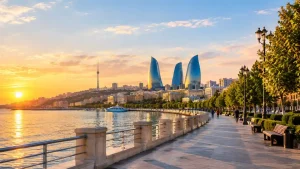
Along five kilometers beside the Caspian Sea, Baku’s Corniche or Boulevard gives the city an open space for walking and relaxation. The sixty-meter Ferris wheel, Park Boulevard shopping center, the gardens, and the Ali and Nino statue at the entrance are all elements that add to the experience.
Sunset over the world’s largest body of landlocked water from here is free for everyone. Walking in the morning or evening is more comfortable than at midday in the summer heat.
Visit Highland Park and Martyrs’ Lane
From the highest hills, Highland Park reveals Baku in a wide panoramic scene that brings together the city, the Flame Towers, the Corniche, and the Caspian Sea.
Within the same area lies the famous Martyrs’ Lane dedicated to the victims of the January 1990 events. The free view becomes even more distinctive with nightfall when the towers begin to light up. A visit after sunset when the towers are illuminated is the most visually stunning moment.
Explore Nizami Street and Fountain Square
Nizami Street represents one of the main commercial arteries of modern Baku, with classic facades from the oil era appearing alongside contemporary global brands along its length.
At its end comes Fountain Square, where the gardens and open spaces turn into a center of social life during the evening. Sit in one of the square’s cafes in the evening and observe real local life away from the tourist noise.
Visit the Azerbaijan National Carpet Museum
The Azerbaijan National Carpet Museum makes its presence felt from its building’s own design, which takes the shape of a rolled carpet on the Corniche waterfront. Behind this architectural form lies a collection exceeding ten thousand pieces of carpets, textiles, clothing, and jewelry spanning centuries of Azerbaijani civilization.
The entry ticket is symbolic and the building alone is worth photographing from the outside before entering.
Take a Traditional Hammam Bath
Traditional baths in Baku offer a cultural dimension different from the hotel stay experience, and among the most prominent is Agha Mikayil Hammam in the Old City, dating to the eighteenth century.
The session combines traditional massage, a steam pool, and a warm stone slab in an atmosphere that carries a clear historical character. Book in advance especially on weekends as capacity is limited.
Experience Baku After Dark
After sunset, Baku changes visually more than it changes in activity: the Flame Towers enter dynamic LED shows, the Boulevard receives a soft lighting that suits walking, and Fountain Square grows livelier with residents and families.
Start from Highland Park after sunset then walk down to the Corniche to combine all of this in a single stroll.
interest you: Azerbaijan things to see
Best Things to Do in Northern Azerbaijan
Outside the capital, another image of Azerbaijan begins, where the Greater Caucasus Mountains stretch between isolated villages, apple orchards, and dense forests. These areas are two to four hours from Baku and give the trip a character more connected to nature and mountains.
Trek to Khinaliq: The UNESCO Mountain Village
At two thousand three hundred and seventy-five meters above sea level, Khinalug rests in the shadow of Mount Shahdag as one of Azerbaijan’s oldest inhabited villages. The local language, known as the Ket language, bears no resemblance to other languages in the region, while the narrow stone lanes reveal a way of life passed down through the centuries.
The village is also a stop along the Transcaucasian Trail route. Reaching it requires a four-wheel drive vehicle and the road is best from April through November.
Visit Quba for Carpet Weaving and Mountain Jews Museum
Quba combines a cool climate, Azerbaijani apples, traditional crafts, and cultural diversity. In the Red Village of Krasnaya Sloboda appears one of the largest Mountain Jewish settlements outside Israel, with active neighborhoods and historic synagogues.
The Qishqay Forest for hiking and the Qishqay Archaeological and Ethnographic Museum add another dimension to the visit. One hundred and sixty-eight kilometers or two and a half hours from Baku make it a comfortable day trip.
Ski at Shahdag Mountain Resort
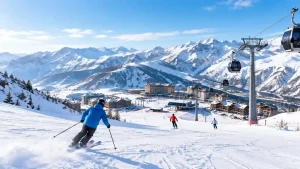
When winter comes, Shahdag transforms into a main skiing center in the Caucasus region, with forty-five kilometers of trails and thirty-seven runs across green, blue, red, and black grades. Five hundred and thirty-two snow cannons help ensure full coverage in various conditions.
In summer, the resort continues to welcome visitors through its cable car and mountain activities. January and February are the best times for snow quality and the least crowded after the New Year celebrations.
Read: Azerbaijan snow season
Photograph the Candy Cane Mountains
The layered colors are the first thing that catches the eye in the Candy Cane Mountains of the Khizi region north of Baku: red, white, and purple intertwine in distinctive geological formations that gave them their name, inspired by the striped candy cane.
The area is ninety kilometers from Baku and can be combined with Quba and Khinalug in a popular day tour. Early morning light and the golden hour at sunset give the best photographs of the geological formations.
Hike the Transcaucasian Trail
The Transcaucasian Trail project extends through Georgia, Armenia, and Azerbaijan with a total length exceeding three thousand kilometers, making it one of the most ambitious hiking projects in the region.
In Azerbaijan it passes through Khinalug, Laza, and the Greater Caucasus forests, while visitors can tackle sections of it on day tours from Quba or Gabala without committing to the full route. June through September are the best times for hiking at high elevations, and tell someone your plan before setting off.
Turn your Azerbaijan mountain adventure into a complete journey through mountain villages, breathtaking landscapes, and authentic Caucasus experiences.
Best Things to Do in Sheki and the Silk Road Northwest
At the foot of the Greater Caucasus Mountains lies Sheki, or Shaki, three hundred and fifty kilometers from Baku. The city that was a main stop on the Silk Road still retains the features of that era in its architecture, crafts, and food, and was added to the UNESCO list in 2019.
A visit to Sheki is not complete without the Khan’s Palace, built in 1797 without a single nail, with five thousand colored glass pieces in its Shebeke windows assembled without glue. The architectural scene makes it one of the most beautiful buildings in the entire Caucasus. After it comes the Caravanserai, the historic caravan stop that still operates as a hotel, where one can spend the night in ancient stone rooms.
As for the Albanian Kish Church, located a few kilometers away, it dates to the first century AD and is considered one of the oldest Christian churches in the Caucasus. In contrast, Sheki Bazaar reflects the commercial side of the city through its textile, copper, and sweet shops, while Piti, a soup of chickpeas and slow-cooked meat in clay pots, forms an essential part of the local food experience.
The northwest tour does not stop at Sheki alone: Qakh and Zaqatala add mountain scenes, Orthodox Christian landmarks, and historic mosques. Setting aside two additional days for this region suits those who want to explore Azerbaijan with genuine depth.
Best Things to Do in Central and Southern Azerbaijan
Between the areas surrounding Baku and the south, the nature of the trip changes once more, as archaeological sites, geological formations, forests, and coastal areas appear within a single space. Here are the highlights it has to offer:
Gobustan is sixty-four kilometers from Baku and is a UNESCO World Heritage site holding rock carvings twenty thousand years old and a modern underground museum that explains them. Near it, mud volcanoes spread out, with more than four hundred mud volcanoes in the world’s largest concentration.
The cool grey mud emerges from small cones, giving the place a scene that appears to belong to another planet. Twenty-five kilometers north of Baku comes Yanar Dag, the mountain burning with eternal natural flames. As for Ateshgah Temple on the Absheron Peninsula, it is a site of Zoroastrian, Hindu, and Sikh worship in one place, reflecting the diversity of civilizations that passed through this land.
At the far south, Lankaran appears with features entirely different from the capital and the mountain regions. Hirkan National Park, listed by UNESCO, holds forests where some trees are over four hundred years old. Azerbaijani tea farms and tea culture as a way of life add a special local character, while Kutum fish from the Caspian Sea represents a coastal dish worth the trip.
One hundred and twenty-two kilometers from Baku, Shamakhi carries the legacy of the ancient capital of the Shirvan Empire. The Juma Mosque is one of Azerbaijan’s oldest mosques, and the Shamakhi Astrophysical Observatory is one of the region’s most prominent observatories, while the village of Lahij is known for its copper craftsmen who work in methods inherited since the eighteenth century.
Best Things to Do in Azerbaijan in Winter
Azerbaijan’s appearance changes with winter depending on the region you choose. In Baku, the season means greater calm and lower crowds and prices, alongside the Flame Towers illuminated through cold nights. In the mountains, the full skiing season begins from December through March.
Forty-five kilometers of trails make Shahdag the main destination for skiing enthusiasts. In Gabala, Tufandag comes with a calmer and less crowded atmosphere, with greater suitability for families and beginners. Sledding, cable cars, and resort spas provide additional options for those who do not want to ski.
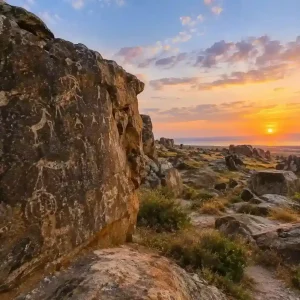
Even in winter, Gobustan remains open, with a clear difference in crowds compared to summer. Yanar Dag and Ateshgah Temple become more beautiful on cold dark nights when the natural fires appear more stunning, while traditional baths reach the peak of their appeal in winter weather.
On December 31, New Year’s celebrations become a major event in Baku, with Rustaveli Street closed and fireworks and free concerts. Then January 7 comes, the date when Azerbaijanis celebrate their Orthodox holiday, and the festive atmosphere continues for two consecutive weeks.
Plan Your Azerbaijan Trip with Makani Travel
Makani Travel and Tourism is a UAE travel agency and the only gold-rated agency ranked among the top 100 travel companies in the world, operating for more than 22 years.
Its knowledge of Azerbaijan is backed by a direct presence there, which guarantees prices and experiences you will not find through online booking platforms.
- Direct contracts with hotels that guarantee the best prices and exclusive VIP additions
- Arabic-speaking experts who design your program based on your UAE holiday dates
- Full transfer from the airport and between cities with local guides
- Around-the-clock planning from the first inquiry until your safe return
Start planning your Azerbaijan trip today and discover the package that fits your time, interests, and budget.
FAQ
Can Indian UAE Residents Get a Visa for Azerbaijan?
Indian UAE residents may apply for an Azerbaijan e-Visa through the ASAN Visa portal. Eligibility for visa on arrival depends on meeting the applicable UAE residence requirements.
Why Is Baku Called Black City?
Baku’s Black City name originated from the smoke and soot produced by nineteenth-century oil refineries and factories in the southeastern district during the city’s oil boom.
Which Is Better, Turkey or Azerbaijan?
Turkey offers greater historical and geographical variety, while Azerbaijan provides distinctive experiences such as mud volcanoes and burning mountains. The better choice depends on your travel interests.
Which Country Is Closest to Azerbaijan?
Azerbaijan borders Russia, Georgia, Armenia, and Iran, while the Caspian Sea lies to the east. Turkey borders Azerbaijan’s Nakhchivan exclave rather than mainland Azerbaijan.
Which Country Is Better, Azerbaijan or Armenia?
Azerbaijan offers diverse geography and modern urban experiences, while Armenia is known for Christian heritage and ecclesiastical history. Many travelers combine both countries in one Caucasus trip.
How Many Hours from Azerbaijan to Turkey?
A direct Baku to Istanbul flight takes roughly three hours and 15 to 30 minutes. By road through Georgia, the journey typically takes around 14 to 17 hours.
