


Armenia’s high elevation creates distinct seasonal conditions, from mild spring weather and blooming hills to warm summers, colorful autumn forests, and snowy winter landscapes. Each season offers a different way to experience the country.
Choosing the best time to visit Armenia therefore depends on what you want to do and where you plan to go, whether hiking, exploring cultural sites, enjoying autumn scenery, or skiing in Tsaghkadzor.
What Is the Best Time to Visit Armenia
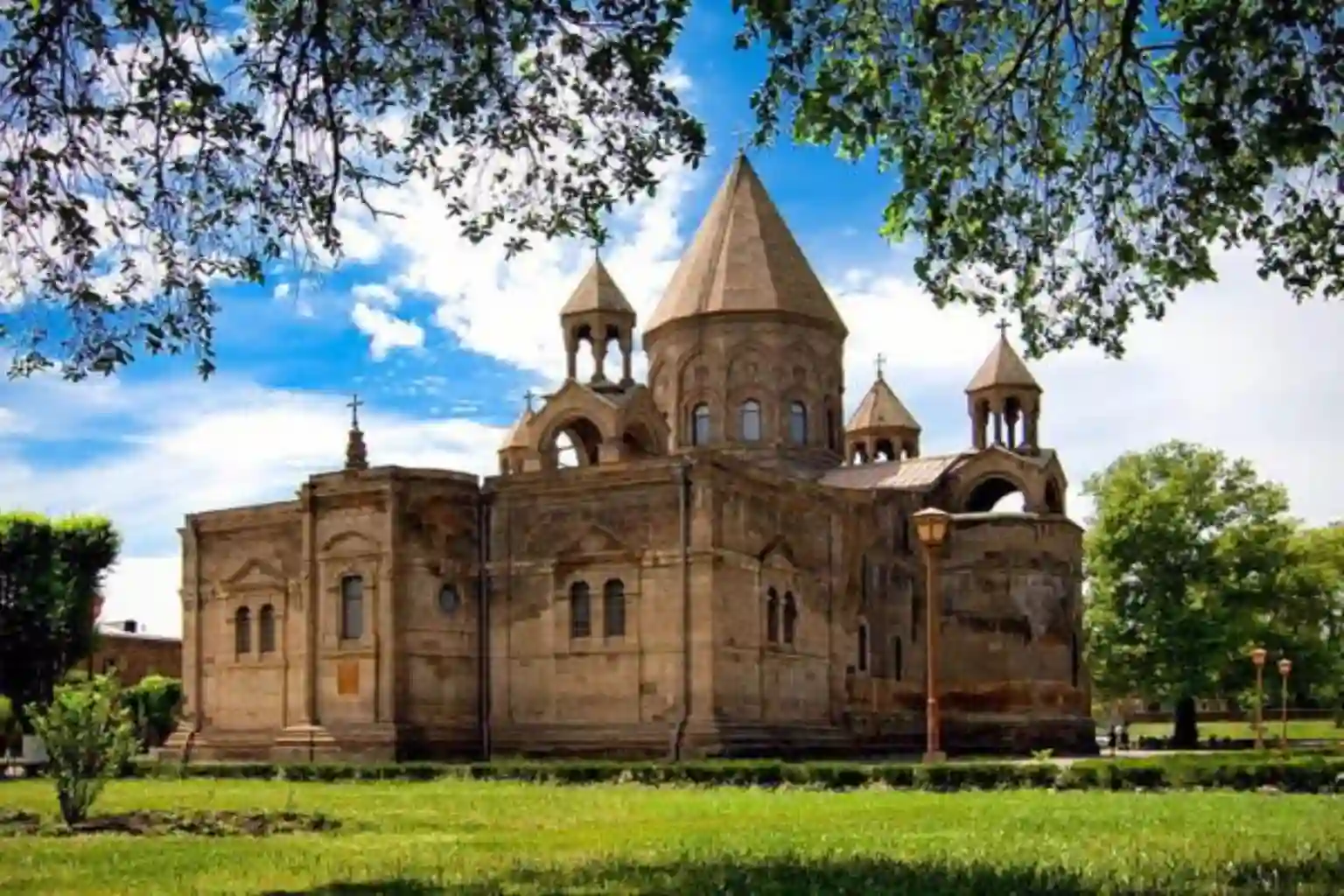
May, June, September, and October offer a balanced combination of conditions that most visitors to Armenia are looking for. In Yerevan, temperatures during these months range between fifteen and twenty-five degrees, while the archaeological landmarks are open and the mountain roads become more passable. Prices have also generally not yet reached their summer peak.
For those who have Lake Sevan and the mountains on their itinerary, July and August remain suitable options, even though the capital’s heat may reach forty degrees. On the other side, skiing enthusiasts find suitable winter conditions in December and February, alongside hotel prices lower than the peak season.
Best Months to Visit Armenia
The difference between months in Armenia shows up in the shape of nature, the condition of the roads, temperature levels, and even the level of tourist activity, and so choosing the right month depends on the experience you want. Here is a breakdown of each month from April through October, which are the months most worth considering:
Armenia in April
Temperatures range between six and sixteen degrees, allowing for comfortable hours touring the archaeological landmarks. Above the hills surrounding Yerevan, wildflowers begin to appear, while Lake Sevan retains its calm before the summer movement arrives.
Remnants of snow may delay the opening of some high mountain roads during the first half of the month, but Garni, Geghard, and Khor Virap remain fully open. The lower number of visitors and relatively lower prices give April a clear advantage for those who want to explore Armenia away from the peak season pressure.
Armenia in May
May holds a prominent place among visiting months according to most specialist sources, and the weather is one of the main reasons: temperatures range between twelve and twenty-three degrees.
The fields, hills, and medium mountain trails fill with wildflowers, and nature appears to be in an active growth phase. Yerevan is lively without prices yet reaching their extreme summer levels, and the main archaeological sites become well-prepared for visits with far fewer crowds than July and August.
Armenia in June
Summer begins to approach during June, but the heat stays within a relatively comfortable range inside Yerevan, ranging between eighteen and twenty-eight degrees. The long daylight hours allow visit programs to be extended, and Lake Sevan begins welcoming visitors looking for a summer atmosphere.
Snow has retreated from many of the higher mountain trails, broadening the options for walking and nature. Summer festivals in Yerevan add a cultural dimension to the trip, while the first half of the month is milder before temperatures gradually rise.
Armenia in July
July’s heat puts Yerevan in the heart of summer, usually ranging between twenty and thirty-five degrees and occasionally approaching forty. Lake Sevan presents a completely different scene: the waters reach approximately twenty or twenty-two degrees, making swimming one of the month’s main activities.
Dilijan and Karakol offer a cooler refuge, with a difference of approximately ten degrees from the capital. Tourist demand reaches high levels, and so prices and crowds become higher than the rest of the year.
Armenia in August
Climatic conditions in August are close to July, with the swimming season at Lake Sevan continuing and the mountain trails remaining in their best summer condition. The summit of Mount Aragats, Armenia’s highest mountain, becomes more accessible to experienced climbers during this period.
In Yerevan, evening life extends into late hours, while August 25 marks Armenian Independence Day with major celebrations including fireworks in the capital.
Armenia in September
Temperatures drop in September to between eighteen and twenty-six degrees, and the weather becomes drier and more suitable for outdoor trips. The Ararat Valley and the Areni countryside enter the grape harvest season, changing the nature of the rural scene as an atmosphere tied to the agricultural season appears.
Lake Sevan loses much of its summer crowds while the water temperature remains suitable for swimming, and the mountain trails continue to welcome nature lovers. With the end of the peak season, some hotels begin reducing their prices.
Armenia in October
Autumn’s presence becomes clearly felt in October, and Dilijan’s forests take on shades of orange, gold, and red that make it a draw for photography and nature enthusiasts. In the first week, the Areni Wine Festival takes place, bringing together the harvest atmosphere with local food and culture.
Temperatures, ranging between eight and nineteen degrees, are suitable for walking and exploration. As the second half of the month approaches, snow may appear on the peaks and some mountain roads may become difficult.
Read more: best time to visit Georgia and Armenia
Best Time to Visit Armenia by Season
Armenia’s four seasons do not offer the same version of the trip: the high terrain and continental climate change travel conditions from one season to the next. It is therefore useful to view each season as an independent experience.
Spring in Armenia
Spring begins in March, when temperatures stay between two and ten degrees and the mountain peaks remain snow-covered. Little by little Yerevan regains its vitality, then April arrives carrying wildflowers and the beginning of medium-elevation trail openings.
May represents the peak of this phase with ideal temperatures and green nature. Rain may appear during April and May, but it is generally not enough to completely disrupt a trip. Some high mountain roads remain closed until May because of accumulated snow.
Summer in Armenia
Summer, extending from June through August, combines strong heat in the capital with relative moderation in the highlands. Yerevan may reach forty degrees during July and August, while Dilijan, the mountains, and Lake Sevan offer conditions about ten degrees cooler.
Greenery covers the mountain areas, and the swimming season at Sevan reaches its peak activity in July and August when the water reaches approximately twenty degrees. The high number of visitors increases demand for hotels and services, so early booking becomes more important.
Autumn in Armenia
From September through November, Armenia’s colors gradually change before winter asserts itself. September and October are the most clearly defined periods for autumn colors, especially in the forests of Dilijan, Tatev, and Lori.
The harvest season continues between September and October, and the agricultural areas become an important part of the landscape. November brings lower temperatures and the chance of early snow on the mountains, while tourist activity drops noticeably and prices become calmer.
Winter in Armenia
Winter arrives between December and February with temperatures that may drop below zero at night in Yerevan, while snow covers the highlands and closes some mountain roads. Tsaghkadzor, located about fifty kilometers from the capital, transforms during this period into the main skiing hub, with the season extending from December through April.
Snow-covered churches and monasteries give the landscape a distinctive character, and hotel prices in Yerevan drop compared to summer while the city becomes quieter.
Best Time to Visit Armenia for Snow
Snow appears above the mountains from October, while it usually begins falling in Yerevan during December. January and February are most associated with snow in both the city and the highlands, and temperatures in the high areas may reach fourteen degrees below zero.
Among the most distinctive winter scenes is Khor Virap in front of the snow-covered Mount Ararat, where the site’s image changes completely compared to the warm season. December also offers a quieter atmosphere than January, with sufficient snow and a festive atmosphere linked to the Armenian Christmas on January 7.
Best Time to Visit Armenia for Skiing
The Tsaghkadzor resort is located fifty kilometers north of Yerevan in the Kotayk province, extending across the slopes of Mount Teghenis to be the country’s main skiing center. The season usually runs from the beginning of December through the end of April, while the best snow coverage falls between mid-December and March.
January and February represent the peak of the season in terms of snow, with trails available for different skier levels. Compared to a number of Western European resorts, the cost of the experience can be lower. Jermuk in southern Armenia offers a smaller and quieter alternative for those who want a different atmosphere.
Best Time to Visit Armenia for Sightseeing
Visiting historical and natural landmarks in Armenia is affected by heat, road conditions, and differences in elevation, and so the right timing differs from one site to the next. Here is the best time to visit Armenia’s most prominent landmarks:
Best Time to Explore Yerevan
April, May, September, and October provide temperatures between fifteen and twenty-five degrees, which are suitable conditions for walking through the Pink Quarter, the Cascade, the popular markets, and the outdoor cafes.
July and August are more tiring because of the heat, and so starting tours in the early morning hours becomes more practical during these two months.
Best Time to Visit Lake Sevan
From June through October, a suitable period extends for those who want to see the natural scenery, ride boats, and explore the Sevanavank Church. Swimming becomes more suitable in July and August, when the water temperature reaches twenty or twenty-two degrees.
Winter changes the scene entirely: snow surrounds the lake and church and fog may cover parts of the area, while temperatures become extremely cold.
Best Time to Visit Dilijan
September and October present the scene most associated with autumn in Dilijan, when the forests turn to golden and red shades and the area takes on an appearance that has earned it the nickname Switzerland of Armenia.
During May and June the nature is greener and the hiking trails become suitable for outdoor trips. The town receives visitors year-round, while winter gives it a quieter and different natural scene.
Best Time to Visit Garni Temple
Garni Temple is open year-round, and its natural backdrop changes depending on when the visit takes place. May adds wildflowers to the scene surrounding the temple, while October’s autumn colors change the area’s appearance.
Snow gives the site a dramatic character during winter, while mid-July and August may be less comfortable because of the heat and higher crowds.
Best Time to Visit Geghard Monastery
Geghard Monastery receives visitors year-round, but May and September provide comfortable conditions for the visit with easier roads and moderate conditions. Snow and ice may make the road more slippery in January and February.
An early morning arrival, on the other hand, gives the visitor the chance to see the monastery in a quieter atmosphere before group tours arrive.
Share your UAE travel dates with our experts and receive a tailored Armenia package with flights, hotels, and tours.
Best Time to Visit Armenia for Hiking and Nature
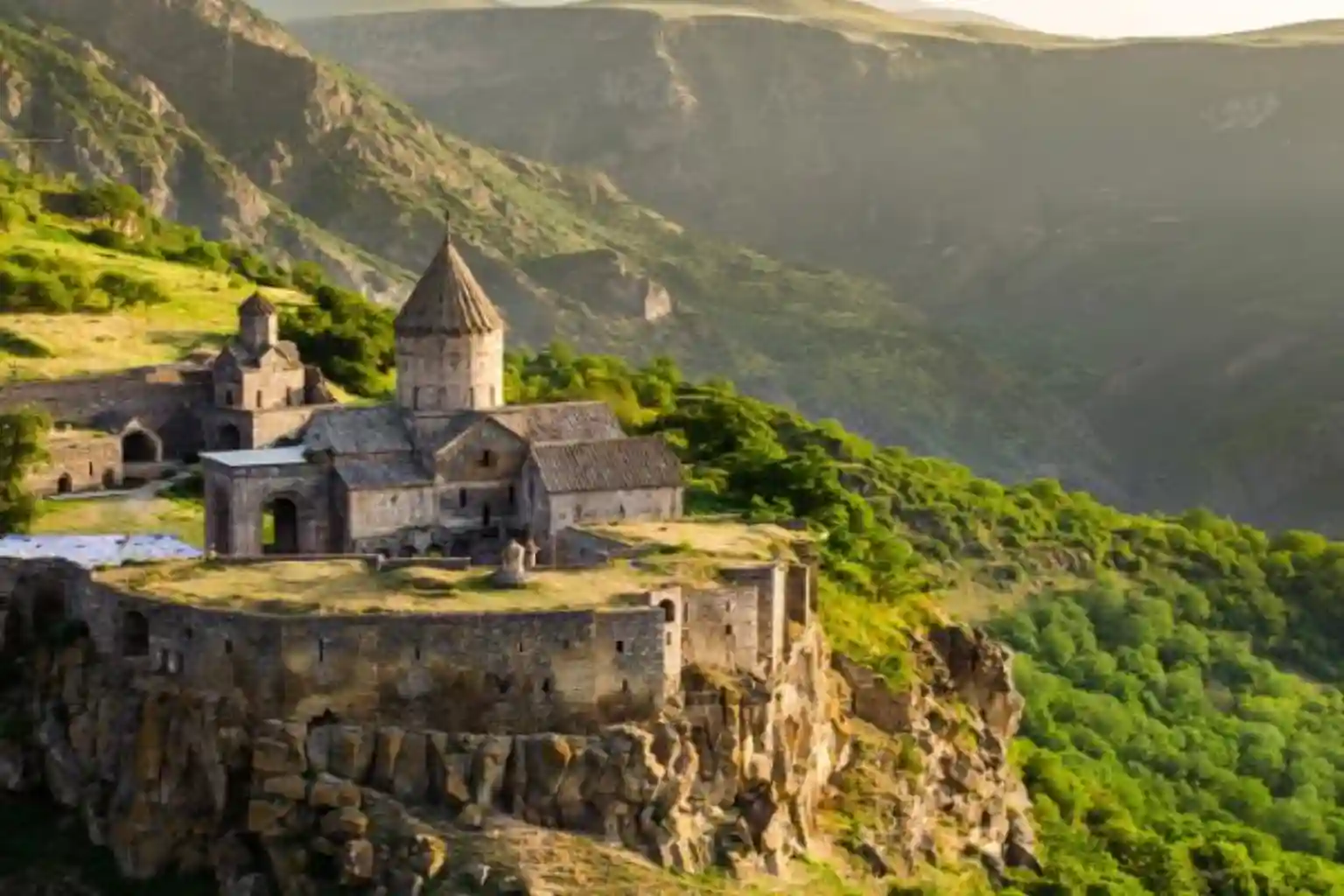
September offers suitable conditions for mountain hiking thanks to moderate temperatures, dry trails, and the appearance of autumn colors at medium elevations. June comes as another good option after snow retreats from the high trails and the wildflower season begins in the highlands.
May serves the medium-elevation trails, where flowers and natural scenery appear across a wide range. Above two thousand and five hundred meters some areas may remain closed until June in many years. Dilijan National Park, Syunik, Mount Aragats, and the road leading to Tatev welcome nature enthusiasts better between May and October.
Armenia Weather by Month
| Month | Average Weather | Rain | Snow | Best For |
| January | -5 to 2 degrees | Low | Heavy | Skiing in Tsaghkadzor |
| February | -4 to 3 degrees | Low | Heavy | Skiing and winter atmosphere |
| March | 2 to 10 degrees | Moderate | Retreating | Early spring and lower prices |
| April | 6 to 16 degrees | Moderate | Rare in the city | Wildflowers and archaeological landmarks |
| May | 12 to 23 degrees | Light | No | Everything, the best overall |
| June | 18 to 28 degrees | Rare | No | Mountain hiking and Lake Sevan |
| July | 20 to 35 degrees | Dry | No | Swimming at Sevan and the mountains |
| August | 19 to 34 degrees | Dry | No | High mountains and Aragats |
| September | 18 to 26 degrees | Dry | No | Mountain hiking and harvest season |
| October | 8 to 19 degrees | Light | Possible in the mountains | Autumn, Dilijan, and wine festival |
| November | 4 to 12 degrees | Moderate | Possible | Budget travel and quiet sites |
| December | -2 to 6 degrees | Low | Heavy | Skiing and festive winter atmosphere |
Cheapest Time to Visit Armenia
November, February, and March fall among the least expensive periods of the year in Armenia, and hotel prices in Yerevan drop during these months by up to fifty percent compared to the summer peak. Flight prices are also lower in many cases.
November suits those who want a quiet city with cold but manageable weather during visits to museums, landmarks, and restaurants. February and March add the ability to benefit from the skiing season in Tsaghkadzor while maintaining a lower budget.
See: Cheapest Countries to Visit from Dubai
Busiest Time to Visit Armenia
July and August represent Armenia’s peak season, with hotel prices in Yerevan reaching high levels and increased movement at Garni, Geghard, and Khor Virap, especially during midday hours. Lake Sevan also sees a greater flow of Armenian vacationers and foreign visitors.
Those who choose to travel during this period can reduce the effect of the crowds by starting visits early in the morning, and booking accommodation at least three months before the trip is advisable.
Best Time to Visit Armenia for Different Travelers
The type of trip changes the right month for you: a family looking for moderate weather does not need the same conditions that a skier or climbing enthusiast is looking for. Here are the most suitable periods for each type:
Best Time for Families
April, May, and September give families moderate temperatures that allow for extended visits to landmarks and parks without tiring children. July and August remain possible, but the program needs early morning tours and a rest period during the hot hours.
In winter, Tsaghkadzor can be a family option for those who want a snow experience and mountain activities with children.
Best Time for Couples
October gives couples a quiet autumn atmosphere and clear colors in nature, while May comes with wildflowers and green scenery. During winter the nature of the experience changes again, as combining Yerevan’s warm atmosphere with skiing at Tsaghkadzor and then returning to the capital’s restaurants becomes possible.
Best Time for Adventure
June and September are suitable for mountain hiking and climbing, with the nature of the experience differing between the two months. In June the high trails have started opening after the snow melts, while September adds autumn colors to the highlands.
January and February direct the trip toward skiing at Tsaghkadzor, while August provides the opportunity to climb Mount Aragats for experienced climbers.
Best Time for a Short Trip
Four to seven days are enough to build a program covering Yerevan, Garni, Geghard, Khor Virap, and Lake Sevan, and May and September provide suitable weather conditions for this type of short trip.
The program can be carried out in other seasons too, but the weather during these two months makes moving between sites and enjoying outdoor activities easier.
Best Time for UAE Travelers
The flight from Dubai to Zvartnots International Airport in Yerevan takes approximately three and a half hours. UAE nationals enter Armenia without a visa for ninety days under the bilateral agreement signed in 2017.
Holders of UAE residency from one hundred and eleven nationalities benefit from a temporary exemption until July 1, 2027, provided the residency is valid for at least six months from the date of entry.
May comes before the summer heat, while September combines moderate weather with the beginning of an autumn atmosphere, making both months suitable for the traveler coming from the UAE.
Whether you are traveling as a family or couple, we can tailor your Armenia itinerary to your travel style.
Read more: countries near Dubai to visit without visa
How Many Days Do You Need in Armenia
Four to seven days give the visitor a relatively complete program in Armenia. Over four days, time can be distributed between Yerevan and trips to Garni, Geghard, Khor Virap, and Lake Sevan.
Adding three more days opens the door to Dilijan, Tatev, and the Noravank area. Ten days allow the route to expand from north to south with more time at each site, and the relatively short distances between a number of landmarks help in organizing day trips from Yerevan.
Is Armenia Worth Visiting Year-Round
The difference between seasons is one of the most prominent reasons why Armenia can be visited throughout the year, as each period has its own nature. May and September combine moderate weather with nature suitable for outdoor activities, while July and August serve those who have Sevan and the mountains as priorities.
Winter directs attention toward skiing, lower prices, and quieter local atmospheres. Some mountain roads are affected by snow during January and February, which may limit access to high-elevation areas, but Garni, Geghard, Khor Virap, and a large number of Yerevan’s churches receive visitors year-round.
Why Choose Makani Travel and Tourism for Your Armenia Trip?
Makani Travel and Tourism is the only gold-rated agency in the UAE ranked among the top 100 travel companies in the world, operating for more than 22 years with a team trained at Burj Al Arab, Marriott, and Hilton.
Armenia is among the company’s specialized destinations, with a direct presence that allows for programs and services that differ from relying entirely on online booking platforms.
- Customized Armenia packages covering accommodation, transport, and tours according to your budget and interests
- Arabic-speaking experts who design your program based specifically on your UAE holiday dates
- Direct contracts with hotels guaranteeing the best prices and exclusive VIP additions
- Around-the-clock planning from the first inquiry until your safe return without surprises
- Ranked among the top 100 travel companies in the world and winner of Best Tourism Agency in Ajman 2025
Found your ideal travel month? Let Makani plan your Armenia itinerary around your dates.
FAQs
Which Month Is Good for Armenia?
May offers mild temperatures, blooming landscapes, and fewer crowds. September brings autumn scenery and harvest season, while June and October suit travelers seeking milder weather.
Do UAE Residents Need a Visa to Armenia?
UAE nationals can enter Armenia visa-free for 90 days. Residents of the UAE from 111 nationalities may qualify for a temporary exemption until July 1, 2027, subject to conditions.
Which One Is Better, Armenia or Georgia?
The choice depends on your travel preferences. Georgia offers greater geographical diversity, while Armenia is known for ancient Christian heritage. Both countries can also be combined in one trip.
Is Armenia Cheap or Expensive?
Armenia is relatively affordable compared with many European destinations. Accommodation, restaurants, and transport can cost less during off-peak months, while July and August generally bring higher prices.
Is Armenia Safe for Tourists Now?
Popular destinations such as Yerevan, Lake Sevan, Dilijan, and Gyumri receive tourists. Areas near the Azerbaijan border require greater caution, so check your government’s latest travel guidance before visiting.
Which One Is Cheaper, Georgia or Armenia?
Armenia can be less expensive than Georgia, particularly for accommodation, food, and transport outside peak periods. Actual costs vary according to travel dates, hotels, destinations, and chosen activities.
